Riot has never shown a frame of MMO gameplay, so its own job listings are close to the only public documents describing how the game is meant to play, and this one is about the single thing a player f
Latest news from League of Legends, TFT, Wild Rift, and all Riot Games.
Riot has never shown a frame of MMO gameplay, so its own job listings are close to the only public documents describing how the game is meant to play, and this one is about the single thing a player f
Riot has never said whether its MMO will run named persistent servers or a single sharded megaworld, and Celebras is the clearest recent evidence of what that choice costs. The server only became wort
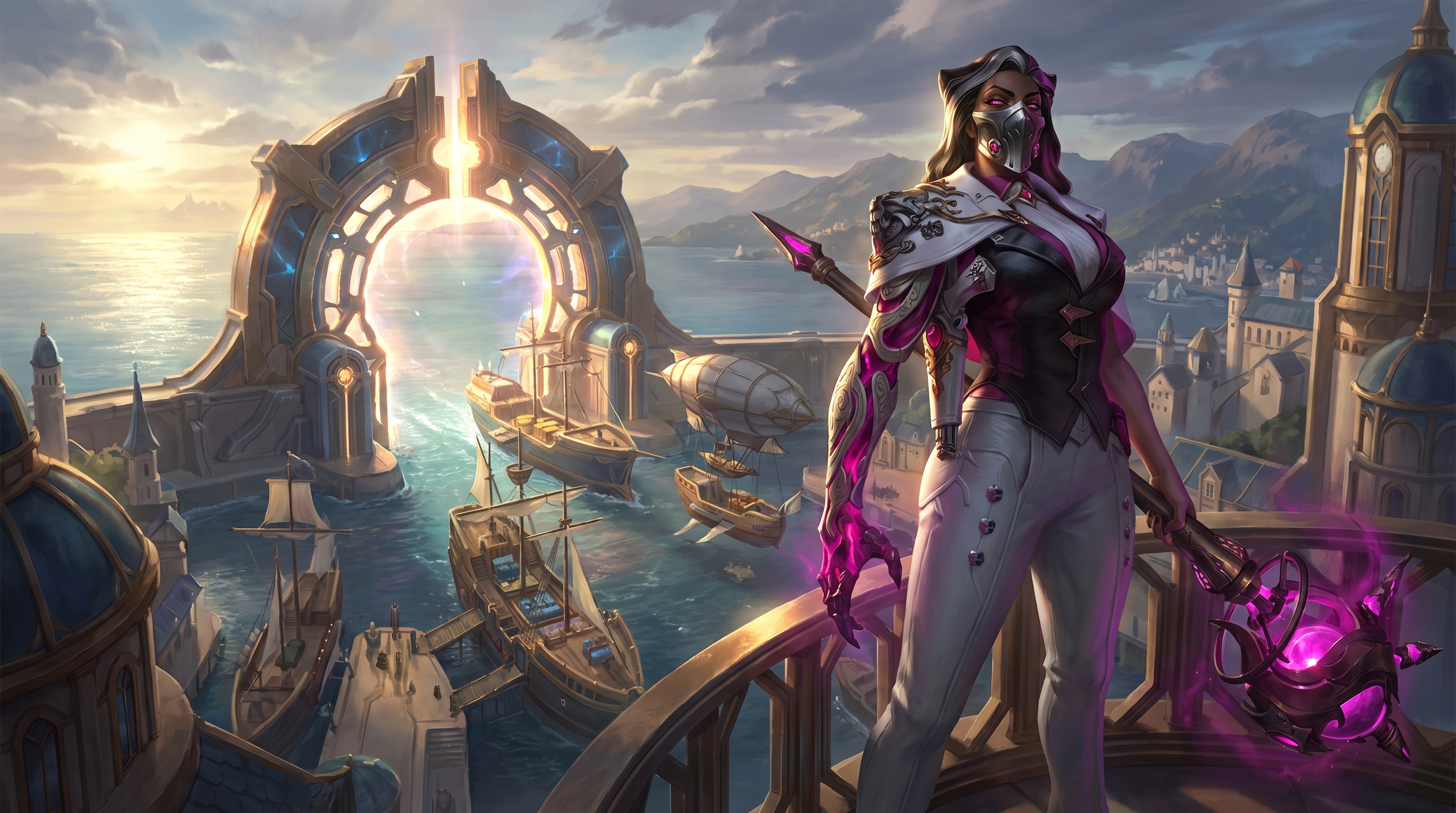
5 new Riot job listings name Unreal Engine, massively multiplayer scale, and a live server fleet. The Runeterra MMO is being built, and here is the read.
Entrusted by the dying Orlon with the Hammer of Demacia, the yordle Poppy spends centuries searching for a hero worthy of wielding it, unaware that she is the protector Demacia already needs.
A Noxian general captured Ionia’s most sacred site and held its people to lure in a relief column. Canon records who broke out, and who paid for it afterwards.
Every MMO eventually has to answer whether the community may build tools on top of its client, and the two live answers now point in opposite directions. Jagex is absorbing the fan tooling layer into
Ionia's coast is stocked with residents, not prey: a village-bearing behemoth, kept river otters, and a glade that asks strangers where they are from.
FFXIV is the biggest traditional hotbar MMO on the market, and it has just conceded that its combat asks for too many buttons, then discovered it could not simply fix that: thirteen years of muscle me
Riot hired Brian Holinka onto its MMO in June 2026 as Principal Game Designer, and press reporting on that hire was specific about his remit: player combat, world traversal, enemy behaviors, and core
Riot already drew Shurima's whole traversal ladder: skallashi, sandboards, sandswimmer hitchhiking, and rope-strung villages riding giant beasts. All of it stops at one sealed door.
Targon’s valleys shear and milk their animals on a schedule. Above the snowline, the only job on record is catching fallen stellacorns and putting them back.
Ten darkin weapons lie buried across Runeterra, one in a Demacian manor where it cries at night. The cards map a monster hunt the Riot MMO could inherit.
The grief that drowned the Shadow Isles is the same love that sewed Gwen, the one living thing in it. A grounded read of Runeterra canon.
What you actually get to BE in Runeterra is the single biggest unanswered question about Riot's MMO, and ArenaNet just answered its own version of it in public with the production math attached. Runet
Riot has never said where it stands on AI-written NPC dialogue in its MMO, and the only public evidence either way is Riot's own recruiting copy: the Sydney listing for a Staff Software Engineer, Engi
Noxus keeps one of its three ruling seats out of the public record. Mel Medarda came home with new magic and an old name, and the empire still will not let her in.
Hextech needs no arcane bloodline, only crystals. One Piltovan clan owns the supply, and Legends of Runeterra records what its patronage costs the bench.
Riot's entire live-game catalogue is free-to-play monetised through cosmetics, and several of its best-selling skin lines (K/DA, Pentakill, Star Guardian, High Noon) are explicitly alternate universes
Freljord canon puts every travel route on a seasonal clock. Its one permanent fortress is hidden, and Lissandra recruits by walking into people’s dreams.
Riot has never put a business model on the record for its MMO, and Aion 2 is the biggest Western-facing MMO launch of 2026 laying out the entire modern stack in public: free-to-play base, optional sub
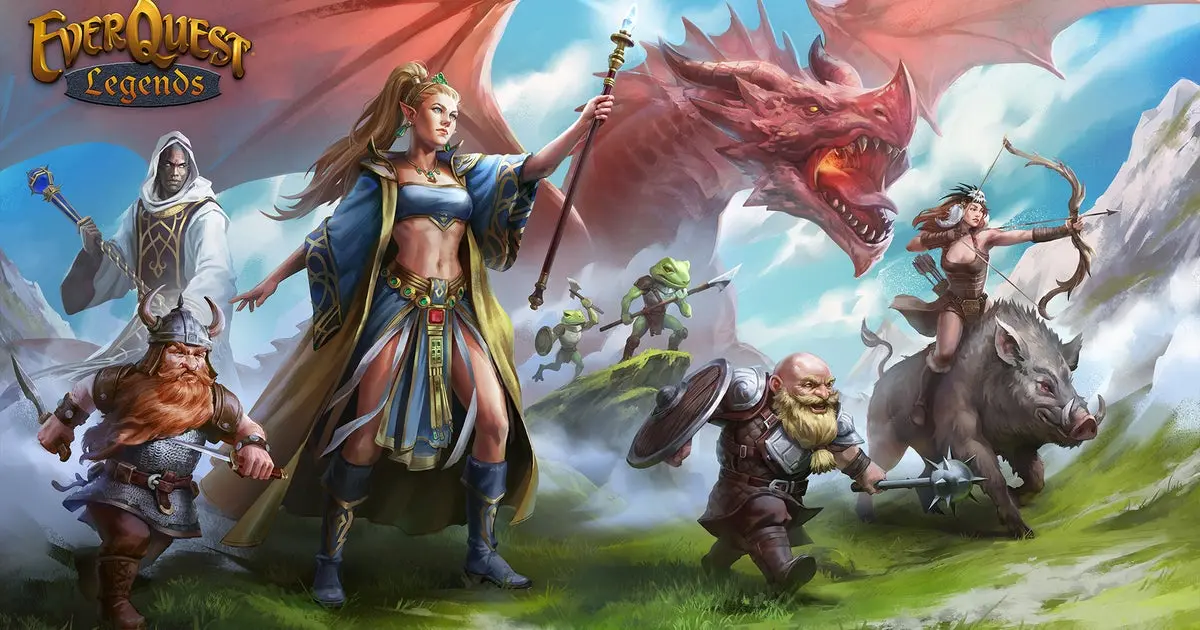
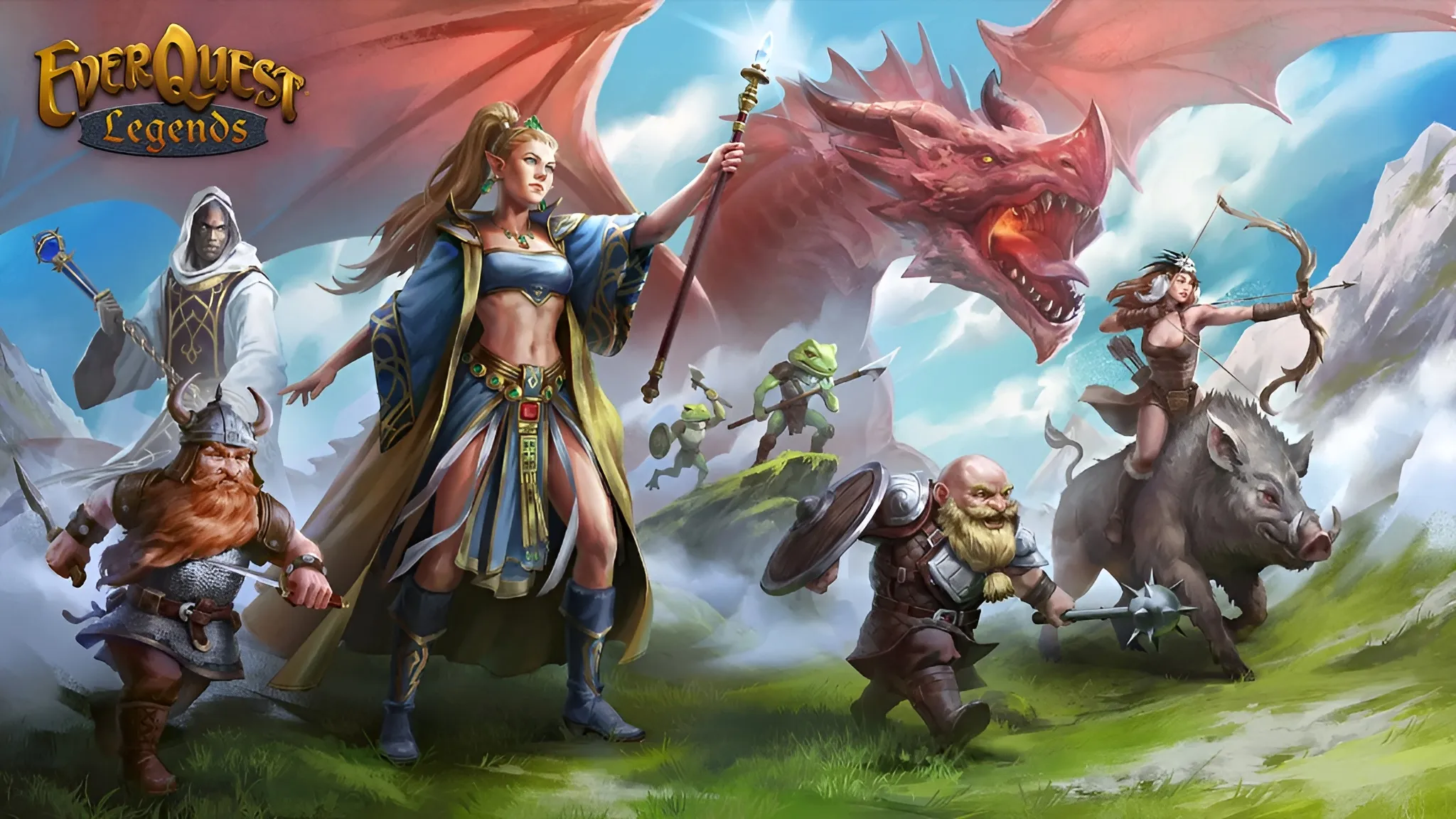
When Riot reset its Runeterra MMO in March 2024, Marc Merrill said the vision "just wasn't different enough from what you can play today." EverQuest Legends is the exact opposite bet: take the formula
League Classic is being built inside Riot R&D, the same organisation the unannounced MMO sits in under the 'Unpublished R&D Product' label its job listings carry, and the person who walked the pricing
RuneScape just rebuilt twenty years of player housing around one idea: homes five friends raise together. Here is why housing is the retention pillar no MMO walks back, what thirty years of front doors prove, and four blueprints for a Runeterra home, from petricite townhouses to doors into the spirit realm.
6 new Riot job listings name Unreal Engine, massively multiplayer scale, and a live server fleet. The Runeterra MMO is being built, and here is the read.
Riot has just committed to running a second, deliberately older version of its own flagship next to the live one, which is the exact live-ops shape a long-running MMO eventually needs. That question i
Riot just ran in public, at League's scale, the exact experiment its unannounced Runeterra MMO depends on: hand players the older, slower, higher-friction version of a world they say they miss, then w
Riot's Runeterra MMO has been deliberately dark since Marc Merrill announced the reset in March 2024, so everything anyone has actually learned about it since arrived through forensics rather than ann
Book of Travels was the exact bet Riot says it wants to place. It refused the WoW template on purpose and sold itself on atmosphere, slowness and accidental meetings, which is the same argument Marc M
Riot has never put a reward philosophy on the record for its unannounced Runeterra MMO, but this is the clearest thing it has shipped in years: a cosmetic that cannot be bought at any price, granted o
Riot has never put a business model on the record for its Runeterra MMO. There is no announced price, no subscription answer, no cosmetics policy, and the only Riot statements anyone can cite on MMO m
This is the person who manages engineering on the Riot MMO describing, in his own words, what the team is doing right now: building engine technology from the ground up, in August 2026, roughly two an
This is the Riot MMO itself, described in Riot's own recruiting copy rather than by a leaker. It tells us the project is no longer a single Los Angeles room: there is a second hub on the other side of
Noxus Prime’s nightlife is canon: enclave songs, arena crowds, street hawkers. So is the fortress at its center that pulls the city’s dead into a well.
Riot has never put a business model on the record for its Runeterra MMO, and this is the first listing we can point to where the company is staffing the commerce layer for the unannounced R&D product:
The Mageseeker A League of Legends all Voiced Cutscenes, an official Riot Forge video.
Riot's MMO is being built in large part by the people who ran this exact machine: Brian Holinka joined in June 2026 after roughly 11 years on WoW PvP and combat design, Raymond Bartos was a Lead Produ
In Demacia power is a thing you carry, so the state punishes people by taking their gear. Its own stone quietly stores the magic it soaks up.
Everything that went wrong for SpiritVale is a launch-day infrastructure problem, not a content problem: the world, the classes and the loot were finished, and what failed was the backend holding thou
Marc Merrill's March 2024 note resetting the Riot MMO said the initial vision 'just wasn't different enough from what you can play today.' Koster's documentary is a 22-minute diagnosis of exactly that
Tencent owns Riot Games outright, so this is Riot's parent company walking away from its single biggest MMO bet: a faithful mobile port of one of the two giants every new MMO gets measured against. If
Canon routes all trade between Runeterra’s continents through Piltover’s Sun Gate, and Renata Glasc plans to take it. A read on the MMO’s natural crossroads.
Erenshor is the clearest working answer yet to the problem that will decide whether Riot's MMO feels alive on a Tuesday morning in a low-population region: an MMO's best content is gated behind other
Throne and Liberty is one of the largest live free-to-play MMOs -- the closest existing analog to the F2P model Riot's unannounced MMO will ship into -- and it just made structured, seasonal, matchmad
ESO is the closest living analogue to what a Runeterra MMO has to become: a big-budget western themepark MMO carrying a beloved single-player fiction, kept alive for over a decade on a content treadmi
Stars Reach wiped every character and shipped sliders for horns, tails, and everything else. World of Warcraft spent fifteen years showing where unbounded cosmetics lead: yeti pajamas in a war fantasy you cannot opt out of seeing. Player uniqueness matters, and so does the world. Here is where Runeterra should draw the line.
Riot's careers board now tags four live roles to its unnamed MMO, and one listing drops the pretense: 'A highly anticipated Riot MMO.' Three of the four sit in Sydney, the studio Riot built from the BigWorld server team, hiring for build tooling across a distributed network of servers, an on-call rotation, and a pipeline made for parallel production streams. The full read, role by role.
Demacia raised petricite walls to keep magic out, and built the perfect farm for a demon that eats fear instead. A grounded read of the paradox at the heart of Riot's most magic-proof kingdom, and what the MMO would inherit.
A Bilgewater card shows Evelynn binding a broken demon instead of killing it, and the canon around it already sketches a demon-binding class. Nothing announced.
The contrast with the Riot MMO is the whole point of the story. A veteran online-game studio just handed its unfinished shooter to the entire public for two weeks and is collecting feedback in the ope
Class and combat identity is the single biggest thing we know nothing about for the Riot MMO, and it matters more now that Riot hired World of Warcraft combat and PvP designer Brian Holinka as a princ
Aurora’s canon reads like a companion quest: a witch who sees spirits escorts a lost demigod to the far north of the Freljord. Grounded speculation, nothing announced.
World of Warcraft spent a decade tearing down the Alliance-Horde wall it could never balance. Runeterra can do factions right, if it builds a banner instead of a wall. Our design: three creeds.
The Activision merger did not change who owned Blizzard. It changed what Blizzard had to answer to. A look at how revenue targets reshaped World of Warcraft, and the one thing Riot has to protect in its own MMO.
Shurima is drawn as a desert too big to cross on foot. A traversal read of its beast-mounts, its sand, and the floating Sun Disc a rider steers by. Nothing announced.
EverQuest Legends halved core inventory between betas and sells the difference back in its cash shop. The backlash is a live lesson for a Riot MMO with a cosmetics-only track record.
Riot rebooted its Runeterra MMO in 2024 specifically because the first version looked too much like existing MMOs, which makes 'what do MMO players actually want that they aren't already getting' the
Nilah’s card says Bilgewater. Her canon home is Kathkan, a kingdom beside fallen Camavor that Riot never drew, and it hints at which zones an MMO builds first.
Riot rebooted its Runeterra MMO in 2024 because the first attempt looked too much like the MMOs players already had, which makes 'how much old-school depth do modern players actually want back' the qu
Demacia's canon runs paid hunts, slayer festivals, and tame raptors. The apex monster exists in one card, and its only record is a goodbye letter.
Riot's own job listings describe the Runeterra MMO as a 'persistent sandbox world,' and Marc Merrill justified the 2024 reboot in exactly these terms: the first version wasn't different enough from th
This is a genre-benchmark design decision that informs the Riot MMO's direction. Lairs are WoW's answer to a problem any modern Runeterra MMO will have to solve: how to deliver big, dramatic boss enco
Nasus keeps failed god-warriors in hanging sarcophagi, and one Legends of Runeterra card shows why. We design the Unrenewed, a baccai raid built on real Shurima canon. Grounded speculation, nothing an
This informs the Riot MMO's direction on a core question: how much scaffolding a modern MMO needs. Pax Dei sold itself as a pure social sandbox with minimal hand-holding, and it is now bolting on an a
This is Runeterra world-building the MMO will draw on, personally endorsed by the MMO's own executive sponsor. Riftbound is Riot's most active vehicle for canonizing and deepening Runeterra's regional
A monster in K'Sante's past heals from every nonlethal blow, and his canon spells out the hunt to kill it. A questline read of Shurima. Grounded speculation.
Pantheon: Rise of the Fallen is building the hand-crafted, group-first MMO Riot studied and reset away from. How it stacks up against EverQuest and WoW Classic. Analysis.
Riot reset its Runeterra MMO in 2024 specifically because the existing version felt too similar to games players already had, and Marc Merrill has framed the goal as a significant evolution of the gen
Bandle City sits off the map, yet Riot’s canon already threads hidden portal woods out to every region, and only yordles can find them. A grounded MMO read.
The Elder Scrolls Online is one of the last big live themepark MMOs, and watching its own publisher cut up to half the team mid-flight is the clearest picture yet of how brutal the live-service MMO mo
This is the Riot MMO's leadership speaking on the record about the project as a group, which almost never happens since the team went dark after the March 2024 reset. Condominas used a brutal industry
A cursed Freljord spear and its costly upgrade sketch a whole crafting profession: bind the weapon, trade humanity for power. Grounded speculation.
Riot invented the modern seasons-plus-battle-pass playbook — free content on a fixed cadence, monetized through passes and cosmetics — and ESO, a twelve-year-old AAA MMORPG that lived on paid expansio
Camavor caused the Ruination and has never appeared on Runeterra’s map. Smolder’s bio ends with a promise to return. Where the Riot MMO’s first ocean voyage could land. Grounded speculation.
Riot's Runeterra MMO is being staffed with the exact people who lived this failure mode: Brian Holinka, WoW's former lead combat designer, joined in June, and former WoW senior producer Raymond Bartos
Milio’s soothing fire is a finished MMO healer fantasy, but our zone predictions say Ixtal sits out launch. We read the axiomata, the Vidalion, and the Yun Tal for the expansion his canon actually sets up.
Riot's Runeterra MMO is being built inside a company that funds its own games out of League and Valorant revenue and Tencent ownership, answering to no external publisher. Project Fantasy just demonst
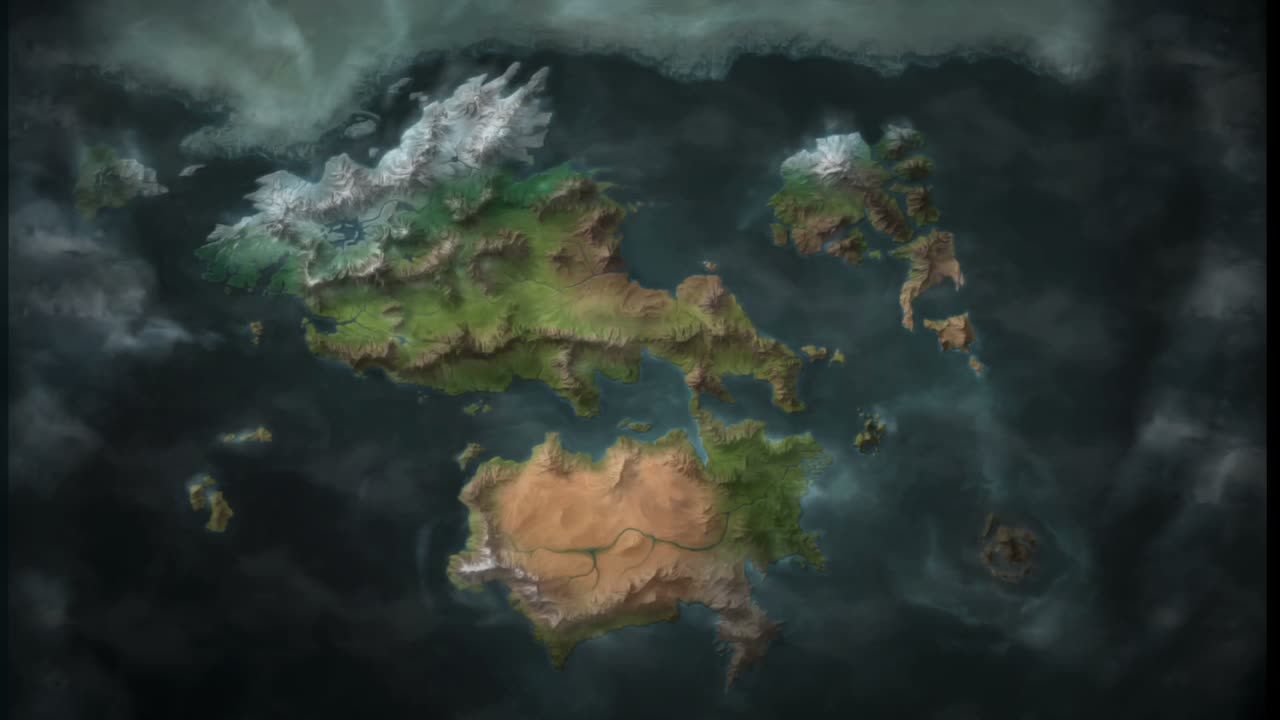
Canon already painted the launch map's hub furniture: Piltover's Ecliptic Vaults, Bilgewater's bounty board, Nashramae's markets. We map the five cities that should anchor the Riot MMO's launch and pick the one everyone will AFK in.
Every MMO in development, including Riot's, has to decide how to weight raiding, crafting, social play, and territory, and clean reads on what players actually want are scarce. Scars of Honor just pub
Zaahen, The Unsundered: we read their kit, canon, and home region for what they hint about the Riot MMO. Grounded speculation, nothing announced.
The Riot MMO has revealed nothing about how it will make money, and monetization is the thing Runeterra fans fear most from the company behind League's storefront. Aion 2 is the genre's live referendu
Naafiri is not a class, she's a raid boss. We design The Gathering Pack, a Darkin-expansion raid built on her real canon and Shurima lore, quoted and sourced. Grounded speculation, nothing announced.
You cannot kill a demon, so you bind it. We design The Garden of Agony, a petricite demon hunt against Evelynn led by Locke, grounded in real canon and quoted throughout. Speculation, nothing announce
Hwei, the Visionary: we read their kit, canon, and home region for what they hint about the Riot MMO. Grounded speculation, nothing announced.
Riot confirmed League Classic and WoW Classic still thrives. Players keep choosing old-school design. Here is what that trend should teach the unannounced Riot MMO about friction, danger, and a world
EverQuest, the game that invented forced grouping, just relaunched fully soloable. What EverQuest Legends’ respect-your-time rebuild signals for Riot’s Runeterra MMO.
Two new Riot job listings name Unreal Engine, creature pipelines for massive multiplayer, and a distributed server fleet with a live on-call rotation. The Runeterra MMO is being built, and here is the
MMO executive producer Fabrice Condominas thanked two Riot studios. For a project gone dark, it's a real signal about who's building the Runeterra MMO.
Lux and Samira: New Champion Reveals - Evo 2026 — featuring Lux and Samira from 2XKO.
Locke, the Ashen Exorcist from League of Legends.
Pandemonium: What We Face, an official League of Legends video with Vayne.
Locke: The Ashen Exorcist from League of Legends.
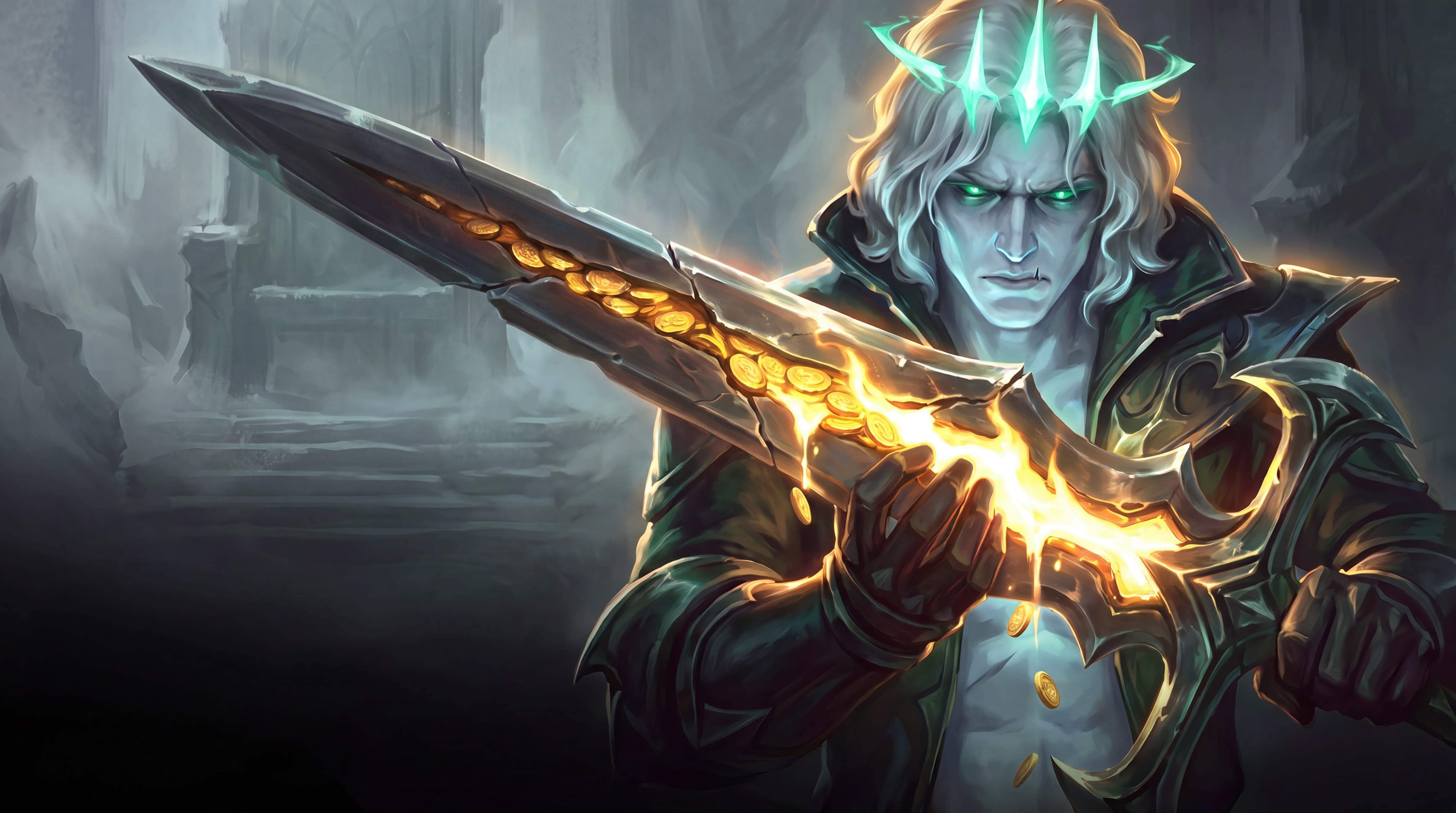
A nail-slinging exorcist versed in forbidden rites, Corvin Locke is the progeny of Demacian occultists. Born into lies and hypocrisy, he learned young that demons aren’t the cause of humanity’s darkness, but the consequence. Now, Locke tears through every soul, exposing its darkness, intent on making the world a more honest place… one exorcism at a time.
We’ll absolutely be fighting demons in Riot’s MMO — from Evelynn to the eight remaining Demon Kings. Here’s the Demon Hunter class we’d bet on, built from Locke’s kit. Vote at the end.
Guild Wars 3 was announced at Summer Game Fest, a WoW combat lead joined Riot’s MMO and a playtest leaked. Our timeline estimates for all three.
Locke Champion Spotlight from League of Legends.
Locke's champion cinematic, in which the Demacian demon hunter known as the Ashen Exorcist confronts a Vayne possessed by a demonic entity, banishes the demons, and pulls her back to herself — hinting at a shared past between the two hunters.
Thresh Champion Spotlight — featuring Thresh from 2XKO.
Thresh Gameplay Reveal Trailer — featuring Thresh from 2XKO.
Sarah Tudor — the producer who ran 2XKO's Stages, Avatars and Lobbies through its live-service ramp — has joined Riot's long-awaited Runeterra MMO.
Brian Holinka, World of Warcraft’s former lead combat designer, has joined Riot’s League of Legends MMO — and confirmed he watched an internal playtest. What it means for the roadmap.
Senna Gameplay Reveal Trailer — featuring Senna from 2XKO.
Eternal Aspects Diana & Leona — featuring Diana and Leona from League of Legends.
Pandemonium: What We Fear, an official League of Legends video with Vayne.
Space Gods from Teamfight Tactics.
For Demacia: Winged Protector l Motion Comic – League of Legends — featuring Jarvan IV and Shyvana from League of Legends.
Behold the Space Gods from Teamfight Tactics.
For Demacia: For the Fallen l Motion Comic – League of Legends — featuring Garen from League of Legends.
A League of Legends motion comic staging the state funeral of Xin Zhao, the Seneschal of Demacia, where King Jarvan III delivers the eulogy and Sona performs a sung lamentation, all recounted by the Ionian outsider Yunara of the Kinkou.
For Demacia: Spearhead l Motion Comic – League of Legends — featuring Jarvan IV, Xin Zhao and Yunara from League of Legends.
"Get It" ft. Nina Utashiro — featuring Akali from 2XKO.
Akali Gameplay Reveal Trailer — featuring Akali from 2XKO.
Have a Nice Deity! from Teamfight Tactics.
Nunu & Willump — featuring Nunu and Nunu & Willump from Legends of Runeterra.
2XKO Attract Mode Intro Movie from 2XKO.
A RuneGrove article about 5 new Riot MMO job listings hit 193 upvotes on r/RiotMMO with a 94% positive ratio. The community debates Arcane-style art direction, draws WoW and SWTOR comparisons, and connects the Konariin hire to the game's visual future. Plus: our updated timeline estimate puts the earliest reveal at 2029.
Shyvana Champion Spotlight — featuring Shyvana from League of Legends.
YouTuber Konariin built an Arcane-style fan game that went viral, then got hired by Riot Games. With the Riot MMO in development, fans are speculating whether Konariin's Arcane-inspired visual style could influence the game's direction.
New job postings for Riot's unpublished MMO reveal combat systems, narrative design, rendering tech, and animation priorities, while Blizzard veterans continue joining the team.
Shyvana addresses her brood-mother Yvva in this champion update trailer, rejecting the elder dragon's legacy of destruction and declaring her own path — forged through courage found alongside Jarvan IV and Demacia.
The official 2XKO original soundtrack featuring all 10 lobby themes — a diverse collection of tracks that define the fighting game's arena energy and identity.
Norra, the Portal Mistress, is an esteemed magician and keeper of the most enviable library in Bandle City. She weaves colorful threads of memory into her crafty realm-hopping portals, proving that magic lies in even the most ordinary of trinkets. Ever the curious yordle, she was accidentally transported to a far-flung realm when she explored the Book of Threshold’s mysterious final chapter. Now Norra must summon every ounce of wit within her to find a way home—where her faithful cat, Yuumi, waits patiently, and the kettle is always warm.
Carving Bays — concept art from Culture of Bilgewater
The shifting tides of the desert has been known to carve paths through bare rock, tumbling over the cliff faces in massive sandfalls. Traditionally, Shurimans toss beloved objects into the sands as gifts to the Ascended. As a result, such falls are often lucrative spots for treasure hunters.
Freljordian Home — concept art from Concept Art
Village Market — concept art from Environments of Ionia
Demacia Raptors — concept art from Demacian Raptors
Champion Update: Norra — Norra, the Portal Mistress, is an esteemed magician and keeper of the most enviable library in Bandle City. She debuts in Wild Rift as the first original Rift inductee.
Yordles do not necessarily control their glamour, and may understand it in a variety of ways. The revered inventor Heimerdinger, for example, crafted unique technological devices for himself and Ziggs, to help them blend into Piltovan society.
In less enlightened parts of the world, a yordle’s appearance could seem frightening or unnatural to mortals. Fortunately, they are adept at blending in, and often protected by a kind of supernatural glamour—subconsciously fading from the viewer’s notice, or being masked as a less remarkable individual.
While there are portals whose positions can shift over time, there are many that stay rooted in a single location. The magic of the spirit realm occasionally ebbs back and forth around such places—known as bandlewoods—and affects the local flora and fauna in strange, unpredictable ways.
Certain pathways can only be opened with a series of specific gestures, often defined by peculiar symbols inscribed nearby. This particular portal opens to a deep cavern, when the low tide reveals a pattern of runic circles, filling the indentations with sea water.
Runeterra is linked to an enchanted place in the spirit realm known as Bandle City. The pathways are rarely seen by mortals, for they only open under particular circumstances, or for those with the ability to read and interpret the language of the yordles.
Fascinated by the relationships they observe among the mortals of Runeterra, the gregarious yordles tend to form deep and lasting connections with one another—and for the folk of Bandle City, there is no greater bond than the family you choose for yourself.
Long before the yordles called Bandle City home, there was only a tree. No one knows why, or when, but it grew to fill the space behind reality, unfurling its branches into the Spirit Realm until it had no clear beginning or end—it simply was, and had always been.
Over the centuries, many mortals from the world above have answered the Void’s call, or been dragged down against their will. There are those among them—few and far between—who have survived the encounter... though not a single one of them returned <i>unchanged.</i>
Some legends suggest that, when they first emerge into the Runeterran air, the Voidborn are generally pale, fibrous and flexible. As they age, sections of their form harden into a darker, shell-like chitin, which can become strong enough to turn aside almost any weapon.
Though it has bred many of them, no two horrors of the Void are exactly the same. Their otherworldly forms are as varied as they are terrifying—yet all are driven by an insatiable hunger, with the eerie pulsing of their hearts driving them relentlessly onward.
One of the few known ways to combat the Void is to starve it. With no organic or magical sustenance nearby, the Void’s material growth will slow, until it eventually falls into a dormant state.
On the outskirts of Icathia lies the Rupture—evidence of the Void itself bursting forth from deep beneath the ground, in an age now lost to history. Though the bold and the curious alike have often sought to learn more, only the most foolhardy explorer would ever dare venture into the dark spaces beneath.
A great and terrible battle was fought against the Void before the walls of ancient Icathia. In the aftermath, the lands all around the damned city became deserted wastes, and its very existence was struck from the maps of Shurima. It was hoped, perhaps foolishly, that the horrors unleashed there would eventually be forgotten...
In the abyssal darkness, deep underground, it is believed that the first great Void creatures to walk the surface of Runeterra now lie, dormant and unseen. If that is true, then they have waited patiently through the millennia, and it must surely now be time for them to rise once more.
The current occupants of the high seat of the Yun Tal were blessed with ten daughters—respectfully referred to by many as “the Yunalai”. Having the benefit of generations of inherited mastery, it is little surprise that all of them were ready to face the Vidalion at prodigiously young ages.
The most trusted Yun Tal may be designated as the prefects of outlying villages and settlements beyond Ixaocan, such as Ohmka, Xolen, or Paretha. Their duties include the resolution of local disputes, testing potential aspirants, and generally ensuring that the Ixtali people have as little interaction with outsiders as possible...
For countless generations, Ixtal’s secrets have been preserved by their most gifted and wise elementalists. There are no formal criteria for admission to the Yun Tal, though aspirants can expect to be tested to the very limit of their abilities, and any approval must be unanimous among those present.
Protected by magic and solitude, Ixtal needs no armies. The closest thing they have to professional soldiers are the path wardens of Ixaocan, who endlessly patrol the lines of power between arcologies, and are much respected for it.
Upon acceptance into the ruling Yun Tal caste, an initiate will have their own magic woven around them by the Vidalion, creating shimmering garments that respond to the needs of the wearer. This confirms the status of a true elemental master, who will lead and teach others in turn.
Within the cardinal arcology of Ixaocan is a grand chamber, deliberately positioned at the very center of Ixtal... and indeed the whole of Runeterra, as far as the Ixtali are concerned. Above this chamber hangs the Vidalion, an ancient artifact that can weave magic into material form.
To the people of Ixtal, the world is merely a vast confluence of material forces, which they alone are capable of mastering. Each and every permutation of elemental magic—from the most simple to the most complex—is governed by a numbered Axiom, held almost sacred by the arcology that teaches it.
Curiously, the abandoned ruins scattered throughout Ixtal are home to a surprising number of dragons. These terrifying creatures have not fought alongside mortals since the last days of Shurima’s war against the Void—now, for the most part, they seem content just to be left alone.
The further one travels from the cardinal arcology, the more specialized and prestigious the masteries become. High in the mountains, the mages of this relatively small arcology combine their understandings of fire, rock, and magnetism to draw precious metals from the earth, crafting them into exquisite shapes with the merest gesture.
The arcologies are connected by intersecting lines of power, and each represents a specific form or discipline of elemental magic. The largest are home to tens of thousands of Ixtali practitioners, with a social hierarchy based on the length of time spent in study, furthering their progression toward ultimate mastery.
In truth, Ixtal is not the uninhabited wilderness many imagine. Far from prying eyes and greedy hands, the sprawling arcologies of Ixaocan remain safely hidden by the deepest rainforests. The cardinal arcology, seat of the ruling Yun Tal caste, has stood since before the ancient Shurimans raised their first Sun Disc.
Very little is known of Ixtal’s history by those outside its borders. Indeed, over the years, countless expeditions—from Noxus, Bilgewater, and more recently the Piltover Explorers Guild—have delved into the jungle in search of arcane treasures or new territorial claims... only to vanish without a trace.
Famous for the trilling cry it emits before swooping for a kill, the predatory bolor moves in long, gliding leaps along thermal currents with aerodynamic feathered limbs, and loves to prey on stray tamu.
Flocks of tamu are raised by the Rakkor. Their lush coats are sheared twice yearly, and woven into warm clothing and other textiles.
Ibik are rare, solitary herbivores from the lower plains of Targon, where their sweet, fatty milk is considered a delicacy. During its annual hibernation, an ibik’s rough, slate-colored skin can help disguise it amongst the boulders, and they often end up completely covered by the winter snowfall.
The various species native to Targon are uniquely primed to survive under the coldest weather conditions, with thick layers of fat and wooly furs to insulate from bitter winds and snow. Cloven hooves provide support on steep slopes and narrow footholds, while hooked claws easily latch onto ice.
Conversely, Lunari weapons tend to be elegant and easily concealed, sometimes crafted from iridescent moonstone.
Solari weaponsmiths craft ornate gilded blades to reflect the divine light of the sun, and these are almost always carried prominently and visibly outside a holy warrior’s armor.
Solari priests keep an even more watchful eye on the heavens, using astrolabes to predict future events by measuring the movement of specific celestial bodies.
Astronomers and astromancers across Targon meticulously track the sun, moon, and stars, hoping to reveal the will of the Aspects and hasten their coming to this world.
Holding fragrant incense and the extracts of certain rare herbs and plants, these stone-carved offering bowls are used frequently in religious rites.
Even young children of the Rakkor are trained to use hooks and picks, which are essential for survival in the mountains.
During their migrations, the tribes of Targon try to carry as few material objects as possible. Tethered pulley systems are used to transport essential belongings up and down the steep slopes, while heavier tools and equipment are stored in shelters around the mountain, and repaired or remade as needed.
Though it will do nothing to bring back the countless Lunari slain by Solari over the years, it seems the balance of power in Targon may be shifting, as rumors abound that the Aspect of the Moon has taken mortal form once more...
Branded by the Solari as heretics, the Lunari worship the silvery light of the moon. They practice their beliefs in secret, hiding from those who seek to rid Targon of their influence forever—even though some claim that, long ago, the two groups lived in peace, worshipping the heavens as one people.
In the sacred Sunward Temple, the worthiest warriors among the Rakkor seek a place in the Ra’Horak, the elite militant order of the Solari priesthood. This particular shrine was constructed to align with major recurring celestial events, each one framed perfectly by a carefully placed aperture.
The entrance to this Solari temple on the eastern slopes of Mount Targon is carved from gold-veined marble. During times of strife, a priest or scribe might meditate in an outer sanctum for weeks without food or water, subsisting merely on the divine sustenance provided to them by the sun.
While nearly all Rakkor worship the sun, those who completely devote their lives to it are known as the Solari. As the dominant religious sect on Mount Targon, they believe the sun is the source of all life—all other light sources are false, and a threat to the future of their people. Disciples are guided in the strictures of their faith by temple priests, who preach that if the sun was ever to fade, the world would be swallowed by darkness. Accordingly, the Solari stand ready to fight any who would extinguish its holy light.
The Rakkor do not seek war with others, but nonetheless maintain highly skilled militias among all the tribes and outlying settlements. It is said to be almost impossible to surprise a Rakkor force in battle on their own lands.
The Rakkor have endured the trials of their mountainous homeland for millennia, and often make such a life look relatively easy. In truth, they are always vigilant against danger, from above or below.
A name thought to mean “the Tribe of the Last Sun”, the Rakkor tribes boast many skilled artisans, craftspeople, and merchants—however, they tend to value a simple life of humility and prayer to the heavens.
Generations of the Rakkor have chiseled markets, homes, bridges, and ceremonial chambers using the existing shapes of the rock to guide them. Protected from snowfall and storms, such dwellings can be surprisingly comfortable... though never extravagant.
In the rare event that a mortal reaches Targon’s peak, the heavens open before them in a dazzling display of cosmic aurorae. Few ever bear witness to that radiant sight, far above the cloudline and beneath the glittering stars, where it is said that timeless, godlike beings dwell in a wondrous city of gold and silver.
However, the most dangerous thing about Mount Targon is not the incredible altitude, but the way in which it challenges the very character of each climber. The Rakkor regard the ascent as a trial of an aspirant’s spirit, as the inevitable solitude becomes unendurable and they suffer maddening, distracting visions of other times, places, and personal regrets.
Climbers sometimes think to start out in groups, to assist one another on the way—since when one is exhausted or hurt, there is no hope of rescue from below. The bodies of the dead do not tend to decay at such heights, but seem to gradually meld with the rock, becoming twisted into the circular patterns and ridges of the mountain.
Unforgiving to even the most adept climbers, the upper reaches of Mount Targon are plagued by frigid winds, arctic storms, and frequent avalanches. The thin air makes every breath laborious and painful, and those who survive the climb often describe countless bitter nights spent sheltering from the unrelenting cold.
Leaving the bonds of Runeterra far behind, some climbers say Mount Targon seems to expand and contract beneath them, as if the rock itself were alive. This has always made it impossible to map any reliable path to the summit—each climb is different, with some taking many months, and others apparently only a single day.
In a sacred farewell ceremony before climbing the mountain, those beginning their ascent are celebrated. This day marks the moment when the fate of their souls is placed into the hands of Targon. Most will likely never be seen again.
While many Rakkor are content merely to live out their days on the lower reaches of Mount Targon, pilgrims from lands near and far may find themselves drawn here, joining the seasonal migration... and the bravest or most foolhardy may even dare the perilous climb to the mountain’s peak.
The skies around Mount Targon shimmer with celestial majesty—the radiance of sun and moon alike, fiery comets streaking the darkness, and constellations of stars that can be seen from nowhere else on Runeterra. The Rakkor have long held all of these to be Aspects of great and unknowable stellar beings, powerful and ancient on a scale beyond mortal imagining.Indeed, once every few generations, one of these Aspects may descend from the mountain within the body of a climber they have deemed worthy. Such an occurrence is the stuff of legend, and it is likely that these divine creatures shaped the destiny of the world in ages past.
Among the tallest peaks, bitter winds and perilous snows overcome the seasons, creating an everlasting winter. This unnatural landscape is perilous to any stray wanderers, with plants and animals becoming rare sights indeed.
Some Rakkor now believe these otherworldly shapes were once part of a great map, depicting unknown realms beyond the heavens. Others say the markings warn of terrible war that will one day ravage the entire world, setting brother against brother. Despite such wild speculation, the true origin and purpose of these patterns remains a mystery to all.
For the shepherds leading their flocks to graze on the mountain slopes, it is sometimes easy to overlook the strange patterns that seem to flow outward through the rock from Mount Targon. To the ancient Targonians, these patterns were proof that the mountain itself was forged by divine intelligences.
In the low-lying valleys, the Rakkor can easily hunt and forage, grow crops, and tend their herds. During spring and summer in particular, the local flora and fauna are known to thrive even at higher altitudes.
The oldest paths through the mountains are marked by ancient gateways of glittering metal, the largest of which have come to mark the end of each phase of the Rakkor’s migration. They celebrate the moment they cross each threshold, before continuing under the sun's bright path.
For the Rakkor who choose to dwell closest to Mount Targon, life is an unending pilgrimage—following the sun as the seasons change, they migrate between the solstices to remain in its heavenly light all year round.
Targon is a sprawling, mountainous region, whose people are both resourceful and devout. For thousands of years, the migratory Rakkor tribes have chiseled markets, seasonal homes, and ceremonial chambers into the very mountains themselves.
Citizens of the Blessed Isles — concept art from The Blessed Isles
Library Interior — concept art from The Blessed Isles
Blessed Isles Bridge — concept art from The Blessed Isles
Architectural Puzzles — concept art from The Blessed Isles
Hidden from Outsiders — concept art from The Blessed Isles
The Blessed Isles — concept art from The Blessed Isles
Fertile Lands — concept art from The Blessed Isles
Thresh — concept art from Entities of the Shadow Isles
While weaker spirits may only be able to manifest during a Harrowing, more powerful entities can always do so, sometimes even venturing beyond the Shadow Isles.
Hecarim — concept art from Entities of the Shadow Isles
Eternal Death — concept art from Entities of the Shadow Isles
Any mortal who sets foot upon the Shadow Isles will attract the spirits of the fallen.
The Soul Shepherd seeks to keep weaker spirits safe from predatory specters.
The Widow of Forgotten Songs was a collector of birds who tried to free them when disaster struck. She now wanders aimlessly, listening for the songs she can no longer recall.
The most powerful specters retained much of their personality and desires even after the Ruination, becoming predatory spirits who may stalk the weak and vulnerable for all eternity.
Many of the humble scribes and archivists of the Blessed Isles perished at their lecterns, unaware of the disaster that had just befallen them. This lost soul now feverishly scratches descriptions of its torment on an endlessly unraveling parchment.
Helia, the capital of the Blessed Isles, was located on the coast. As a result, many parts of the city were flooded after the Ruination.
Library Keep — concept art from Visions of the Shadow Isles
The Library — concept art from Visions of the Shadow Isles
The crater that was once a grand gallery of ancient artifacts at the heart of the Shadow Isles — concept art from Visions of the Shadow Isles
The Hall of Conjunction, through which all seekers must pass — concept art from Visions of the Shadow Isles
The sundered Vaults of Arcana, a confluence of dark magic — concept art from Visions of the Shadow Isles
The Celestial Vault, unlocked by the revelations of the Lunatropic Demisphere — concept art from Visions of the Shadow Isles
The Athenaeum of Light, wherein the litanies of the Sentinels are graven on wall and floor — concept art from Visions of the Shadow Isles
The Radiance of Alignments begins the journey to enlightenment — concept art from Visions of the Shadow Isles
The most skilled monster hunters know the old ways are often the best. Following the traditions of the Serpent Isles, these cunning traps and vicious hooks are each crafted for luring and slaying specific creatures, and such implements will be passed down from generation to generation.
Cannons — concept art from Culture of Bilgewater
Miss Fortune's Blunderbuss — concept art from Culture of Bilgewater
Weapons — concept art from Culture of Bilgewater
In Bilgewater, the dead are not buried - they are given back to the ocean. The port's graveyards consist of innumerable floating buoys, below which are sunk the corpses of the dead. The wealthy are interred within expensive submerged caskets below lavish bobbing tombstones, while the poor are often tied en masse to old anchors beneath waterlogged barrels.
The closest you can get to laws and government in Bilgewater is the bounty board. Written on it are the names of the most wanted criminals of Bilgewater, ranked by how much would be paid for their heads. It is said that the reaver king Gangplank regularly added a silver serpent to his own bounty, as an open challenge to the entire city.
Slaughter Docks — concept art from Culture of Bilgewater
Sea Beasts — concept art from Culture of Bilgewater
It is unknown whether the sea monsters around Bilgewater inspired the beliefs in the Mother Serpent, or vice versa, nonetheless leviathans have become a staple in Bilgewater’s varied cultures.
Slaughter Sheds — concept art from Culture of Bilgewater
Bilgewater’s shores are protected by the horns that when blown disorient the waves through the waters to disguise Bilgewater’s location from the sea monsters.
Harpoon Mistress — concept art from People of Bilgewater
A fixture of every floating graveyard, these grim sailors ferry the dead out to their final resting place.
One of the most important roles on a hunting crew is the harpooner, who hooks and slays the beasts, and entire crews will be built around a veteran who can teach others a thing or two along the way. Many harpooners are marksmen, or particularly fearless freedivers... but few survive long enough for their reputation to become widely known
Bilgewater is home to serpent-hunters, dock gangs, and smugglers from across the known world. For those fleeing justice, debt, or persecution, Bilgewater can be a place of new beginnings, for no one on these twisted streets cares about your past.
Central to Buhru culture is Nagakabouros—god of life, growth, and perpetual motion. Also known as the Mother Serpent, the Great Kraken, or the Bearded Lady, she is commonly depicted as an enormous, monstrous head with many spiraling tentacles.
While much of Valoran knows the archipelago as the Blue Flame Isles, to the indigenous people of Buhru they have only ever been the Serpent Isles. Buhru’s ancient culture is highly respected, reflected, and sometimes imitated in the daily life of Bilgewater—including traditional medicine, and monster hunting techniques.
Buhru Temple — concept art from Visions of Bilgewater
There is a commonly accepted truth in Bilgewater: the higher you climb, the less likely you are to drown. Those with money in their pocket will frequent the uptown taverns, enjoying fine drinks and merry conversation—even though, in a day or two, they will be back down at the wharf, wrangling a crew for their next dismal voyage.
From MacGregan’s Killhouse to the renowned outfits at Bloodharbor, slaughter docks operate day and night to turn death into profit. Only the most successful captains can ever hope to run their own dock, so most are forced to haggle for the best deal before their prize begins to rot in the water.
Sea monster attacks are a constant threat around Bilgewater, but over the years myriad lucrative industries have grown out of hunting and harvesting the massive creatures. Vessels haul them back to port, to be rendered down into meat, oils, hides, armored scales—even bones and teeth—for sale at the thriving dockside markets.
Various settlements within the greater city have been built upon the remains of a far older civilization. Long abandoned temples have been converted into homes and places of business, with scaffold walkways leading from one establishment to another.
Bilgewater’s lowliest inhabitants dwell in a labyrinth of meandering canals and hidden inlets, with no separation between the homes they build and the sea where they ply their trade. Indeed, traversing perilous waters is not just an occupational hazard, but part of daily life.
Lacking natural resources for construction, much of Bilgewater has been built up with whatever people can bring, find, or steal—be it repurposed masonry, or even the broken hulls of the ships they traveled in.
Looming over the main harbor is Butcher’s Bridge, an ancient stone overpass built into the cliffs, connecting the bustling piers with the notorious slums beyond. Some still use it to access the Temple of Nagakabouros, but most now gather here to fight duels or exchange their illicit wares.
Surrounded by treacherous straits and towering cliffs, Bilgewater Bay is as dangerous as those who call it home. Visitors are often seduced by seemingly limitless opportunity, and become permanent residents—realizing that the longer they stay, the more they can exploit others for power and wealth.
Some shurimans choose to live their nomadic existence atop giant, slow-moving creatures known as dormun. Protected by large chitinous plates, dormun evolved to survive the perpetual drought and harsh conditions of Shurima. The dormun-riders clean the creature and hunt any airborne pests who venture near, while the dormun uses unknown senses to located hidden reservoirs of water.
The Endless Plain — concept art from Ryze: The Burning Lands
The Lost — concept art from Ryze: The Burning Lands
Hardy beasts of burden common across Shurima, skallashi are ideally suited to the harsh desert environment. Notoriously bad-tempered, they are nevertheless treated with great reverence, their hides often painted with sacred symbols of protection, and their horns hung with totems and charms. To own one is often considered a sign of considerable prosperity.
Low Class City Dwellers — concept art from Life in Shurima
Upper Class City Dwellers — concept art from Life in Shurima
These massive creatures traverse the desert in cyclical patterns, feeding on the bugs and other small creatures most desert beasts ignore. Scavengers will often memorize the predictable paths these creatures take, and jump onto their backs to ride as far as they wish.
Shurima's scavengers live by looting food, valuables, and trade goods. Mostly, they venture into the ruins of abandoned, sand-wrecked cities. Scavengers are prime targets for raiders when moving on foot, so will often ride sandswimmers to avoid ambush.
Dormun-riders use claw grips to traverse the complex series of ropes that connect the mobile village's dwellings. Once a rider becomes too old or infirm to “run the ropes”, they are lowered to the ground to live out the rest of their days as a land-dweller.
These nomadic raiders are known for their agility, using hardened bone-braces and polearms to vault towards their victims at terrifying speeds.
The raiders of Shurima survive not through trade, but through violence. These bands of marauders often attempt to blend into the environment in order to lure unsuspecting travelers into traps before killing them, taking their belongings, and (in very rare cases) eating them.
This remote pass takes its name from the disorienting whistling that results when the wind blows hard enough through the hollow rock structures. Many unwary travelers have found themselves at the mercy of the deafened marauders who prowl the valley by night.
The shifting tides of the desert has been known to carve paths through bare rock, tumbling over the cliff faces in massive sandfalls. Traditionally, Shurimans toss beloved objects into the sands as gifts to the Ascended. As a result, such falls are often lucrative spots for treasure hunters.
Marrowmark Market — concept art from Visions of Shurima
The Daughter of Setaka, Ascended Hierophant of Zuretta — concept art from Visions of Shurima
The ruins of Shurima, its once grand palaces and citadels cast to ruin — concept art from Visions of Shurima
Shurima’s people return to their ancestral home. — concept art from Visions of Shurima
Shurima, risen from the sands to bathe in the sun’s light once more — concept art from Visions of Shurima
The sands recede, and Shurima is reborn. — concept art from Visions of Shurima
The rebuilt sun disc over the streets of Nashramae — concept art from Visions of Shurima
True Ice occurs naturally and never melts, although it is extremely rare. Only Iceborn warriors can stand its freezing touch, and may wield it in battle.
The blades and bows used by the tribes are fashioned from wood, steel, and bone, and in the rarest cases may also incorporate True Ice.
Freljordian Home — concept art from Concept Art
People of the Tribes — concept art from Concept Art
Vaults of the Iceborn beneath Frosthorn Peak — concept art from Visions of the Freljord
Warded gateway to the Howling Abyss — concept art from Visions of the Freljord
The frozen caverns of the Howling Abyss — concept art from Visions of the Freljord
The Ice-locked harbor of Glaserport, with its chained wolfships — concept art from Visions of the Freljord
The pilgrim site of Rakelstake — concept art from Visions of the Freljord
The ruined Fortress of the Iceborn — concept art from Visions of the Freljord
Frostguard Citadel — concept art from Visions of the Freljord
Sometimes, the frozen sea routes take longer than usual to open up again. Impatient raiders may sacrifice a ship or two to build harnesses for their beasts of burden, dragging the rest to open water in an attempt to outpace their less enterprising rivals.
Whenever conditions in and around the frozen seas permit it, the most skilled divers are sent beneath the waves in search of prey. They rub seal fat over their skin and clothing for extra warmth, and may take an extra lungful of air down with them in reclaimed swim bladders.
In spite of its harsh and unforgiving climate, the Freljord is home to a wide variety of fantastical fauna, particularly suited to life there. The Winter’s Claw do not tame or coddle their mounts, but encourage the creatures’ wild and aggressive survival instincts even as they take the reins.
The Winter’s Claw rarely let anything go to waste. Their weapons might be steel looted from fallen enemies, or nothing more than sharpened wood and knapped flint. Thick fabrics and animal pelts give protection against the cold—adorned with the bones, tusks, and horns of their most prized kills.
During the months of summer raiding, warriors of the Winter’s Claw range far across the northern lands, taking and repurposing whatever they need. As winter approaches, they will ground their ships, establish temporary homesteads, and prepare to wait out the longer, colder nights until the thaw comes around again.
Death stalks the Freljord in a thousand guises—with fangs, blades, numbing frostbite, and bitter starvation. To survive is to fight every death, crush every threat, steal every advantage, and each new dawn brings a choice to the Winter’s Claw: do whatever it takes to survive, or die.
These sleek daggers of frozen granite, over a hundred feet in length, are weapons of last resort when a Watcher stirs from its slumber. The Frostguard have not needed to drop even a single stone in many centuries... but they stand ready to do so, whenever the alarm is raised.
Warriors of the Keeper’s Lodge diligently patrol the locations of some of the largest known Watchers, or at least those closest to the icy surface. This particular beast is known as “the Pierce-Eye”, ever since it was skewered with titanic Mortis Stones dropped from the fortress high above.
At key points throughout the Howling Abyss, gigantic spiked barricades of stone and iron were set into the walls by the Frostguard, many thousands of years ago. One day, when the Watchers reawaken, these meager defenses may buy some precious time for those above to prepare for the final battle.
As the highest tier of the priesthood—answering only to the Ice Witch herself—Draklorn are among the most zealous and learned of all Frostguard. Some of them rarely set foot outside the Citadel’s walls, and they are no doubt privy to secrets that would never be entrusted to the lower ranks.
In the deepest halls of the Frostguard Citadel, Lissandra spends most of her waking hours in this grand, vaulted audience chamber. It is from here that she delivers her chilling sermons, hears the reports of her priests... and passes judgment on the fate of heretics among the tribes they serve.
Integral Exo-philtrator — concept art from Tools of Zaun
Chemtech — concept art from Tools of Zaun
Reusable Esophilters — concept art from Tools of Zaun
Hex Carbine — concept art from Tools of Zaun
Sump-gas Nebulizer — concept art from Tools of Zaun
Chem-jack — concept art from Chem-Barons
Baron Petrok Grime — concept art from Chem-Barons
Takeda has made no secret of his disdain for his fellow chem-barons. Claiming lineage from an exiled caste of warriors from a distant land, he has plans far beyond his own territories and interests.
Once a lowly lieutenant, Spindlow murdered his boss and took over his empire. Armed with a pair of shock-batons, he is a ruthless killer who sees murder and mayhem as tools of the trade.
A loose alliance of convenience exists between Zaun's powerful Chem-Barons, powerful individuals who each control an area of the city. It is they and their thugs who keep Zaun from descending into chaos.
A chem-baron with many business interests in Piltover, Lenare deals mainly in research into golem technology. Her ravaged body was dying, so she had her head transplanted to a hextech-powered replacement. She visits Piltover regularly for fluid baths, and blood/oil transfusions.
Horticultural Merchant — concept art from People of Zaun
Sump-Breather with Gray-helm — concept art from People of Zaun
Sump-scrapper — concept art from People of Zaun
Vigilnaut — concept art from People of Zaun
Assassins for Hire — concept art from People of Zaun
Promenade Couriers — concept art from People of Zaun
Shimmer Trafficker — concept art from People of Zaun
Promenade Resident — concept art from People of Zaun