
The Signal: Players Keep Choosing the Old Ways
Two things are true at once this week. Riot confirmed League Classic, a full rebuild of early-era League: the original Summoner's Rift, the old rune and mastery systems, Influence Points, legacy items, and roughly 60 champions back on their launch kits, with the reveal set for the MSI Finals on July 11.
And across the genre, World of Warcraft Classic still pulls big numbers years after it launched, with players deliberately choosing the slower, harsher, unstreamlined version of a game they already owned. Put those together and the signal is hard to miss. Given the choice, a large chunk of players walk back toward the older, rougher design, not away from it.


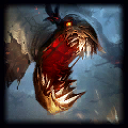

The old kits League Classic revives, the ones Riot spent a decade reworking away.
The datamine has already started filling in the specifics, right down to which old kits are coming back.
What Made the Classics Great
It is not really about nostalgia. The old versions shared a design DNA that modern live-service tends to sand off, and that DNA is the whole point.
- Stakes and friction. Dying cost you something. Getting somewhere took effort, and the effort made the payoff land.
- Forced socialization. You needed other people. Groups formed because the game made them necessary, not because a queue matched you for ninety seconds.
- A world that could hurt you. Zones had teeth. Wandering into the wrong place was a story, not a loading screen.
- Slow mastery. Systems were deep and a little opaque. Figuring them out was the game.
- Permanence. Choices stuck. A build, a reputation, a name meant something because you could not instantly respec it away.
Modern design optimizes friction out in the name of accessibility. Classic keeps it in, and it turns out a lot of players missed it.
What Riot's MMO Should Take From It
Riot is building an MMO in Runeterra. Its own job listings describe massively multiplayer environments, creature pipelines, and a live server fleet, so the ambition is a big, populated world. The League Classic and WoW Classic trend is a gift to that team, because it answers a question every new MMO has to face: how much friction do you keep?
The lesson is not to build a deliberately clunky game. It is to resist smoothing away the things that make a world feel real.
- Make Runeterra dangerous. A world with teeth gives players stories. The bestiary those job listings hint at should be a threat, not set dressing.
- Make players need each other. The strongest MMO memories are social. Design for interdependence, not solo convenience.
- Reward investment over instant gratification. Let mastery and reputation be slow and sticky, so time spent actually means something.
- Trust players with depth. The classic revival proves people will dig into demanding systems, as long as the systems are good.
None of this is confirmed direction. But if Riot is watching its own players line up to re-download the old game, the takeaway writes itself. The appetite for a slower, harder, more social Runeterra is already there. The MMO's job is to meet it.
Your Take
Should the Riot MMO lean into old-school, high-friction MMO design?
Sources: Riot's official League Classic announcement (embedded above) and the enduring popularity of WoW Classic. The League Classic details are Riot's; the read on what it means for the Riot MMO is ours, and clearly speculative. Analysis by RuneGrove.


