
The Cardinal Sins: A Roadmap of Perils for the Riot MMO
Riot MMO | Deep Dive Analysis
This is how Riot's MMO dies before it's even born. The MMO genre is a graveyard of forgotten games, and the tombstones all have the same names carved on them. These are the fatal flaws, the cardinal sins that developers commit, which guarantee failure. Riot has a chance to build something that lasts, but only if they learn from the mistakes of those that came before.
Introduction: The Weight of Expectation in Runeterra
Anticipation for Riot Games' unnamed Massively Multiplayer Online Role-Playing Game (MMORPG) is a major force in the gaming industry. Building on the success of League of Legends, which has dominated PC gaming for over a decade with more than 100 million monthly active users, Riot has a reputation for quality, competitive integrity, and the deep universe of Runeterra. The community is not just hoping for a new game; it is looking for a potential heir to the genre.
These expectations grew when Riot leadership announced a "reset" of the project's direction. They stated the initial vision was "not different enough from what you can play today" and that they needed to create "a significant evolution of the genre". This decision, followed by a commitment to "go dark" for several years, frames the project as a deliberate attempt to learn from the genre's history.
Hey all - We know many of you are hungry for news about the @riotgames #MMO project, and we really appreciate your patience and the incredible support you've shown us so far. I’m writing to update you today on where we’re at. And before anyone panics: yes, we are still working on…
— Tryndamere (@MarcMerrill) March 20, 2024
The long development timeline, typical of Riot's major projects, reinforces this perception of a studio taking the time to "get it right".
However, the Riot MMO's success will not be determined by its combat, graphics, or lore alone. Its fate will be decided by how it handles monetization, economic integrity, and player trust. The history of the MMORPG is a cautionary tale of cardinal sins that have corrupted game design and fractured communities. By understanding and avoiding these perils, Riot Games can deliver the genre evolution it has promised. This report is a roadmap of those perils—the cardinal sins the Riot MMO must avoid.

I. The Original Sin: The Spectrum of Pay-to-Win and the Corruption of Progression
"Pay-to-Win" (P2W) is the most damning accusation against a competitive online game, representing a corruption of the core principle that effort, skill, and time should determine a character's power.

Modern P2W is rarely blatant. Instead, it exists on a spectrum, from direct power advantages to systems that monetize time and convenience, creating a stratified player base and compromising game design.
Deconstructing "Pay-to-Win": From Direct Power to Subtle Advantage
In its purest form, P2W is a model where players gain a tangible advantage by spending real money. This can mean more powerful items, exclusive content, or in-game currency. The MMO market has evolved to embrace more nuanced forms of this model:
-
Pay-to-AccelerateThis model allows players to spend money to bypass time-based progression, such as through experience boosts or level skips. While not offering an advantage unobtainable by free players, it devalues the time investment of others and allows paying players to reach endgame content faster. World of Warcraft, for example, sells level boosts and offers the "WoW Token," which lets players convert real money into in-game gold to purchase powerful gear.
-
Pay-for-ConvenienceDevelopers introduce points of friction into the game—like limited inventory space or slow looting—and then sell the solutions in the cash shop. This creates a two-tiered experience where the baseline game is intentionally frustrating to encourage spending.
-
Pay-to-Mitigate-RNGIn games with heavy Random Number Generation (RNG) in gear upgrades, this model allows players to buy items that reduce the risk or cost of failure. This gives paying players more upgrade attempts with less penalty, creating a power disparity over time.
The common thread is the introduction of real-world wealth as a variable for in-game success. This shifts the focus from achievement to transaction and erodes trust. When players feel systems are designed to frustrate them into spending money, the relationship becomes adversarial.
Case Study: The Acceleration Engine of Lost Ark

Lost Ark exemplifies a modern "pay-to-progress" system. The game's progression revolves around "honing," an RNG-based system for upgrading gear that requires specific materials.

The game's monetization allows players to use real currency to buy crystals, which can be exchanged for gold.

This gold can then buy honing materials from the auction house, bypassing the daily and weekly limits that constrain free-to-play (F2P) users. A player's item level becomes a function of both time played and money spent.

While structured PvP modes have equalized gear, the broader game is deeply affected. The ability to pay for a higher item level has a toxic social consequence. The community has developed a culture of "gatekeeping," where players with lower item levels—often F2P players—are denied entry into high-end raids and dungeons. Party leaders favor players who have paid to over-gear the content. This creates a vicious cycle: F2P players are locked out of content needed to progress, while paying players surge ahead, undermining the collaborative spirit of the MMO genre.
Case Study: The Convenience Trap and RNG Mitigation of Black Desert Online

Black Desert Online (BDO) shows how "pay-for-convenience" can become nearly mandatory. The cash shop is filled with items that improve the efficiency of grinding mobs for silver and items.
Essential "convenience" items include pets that automatically loot, a tent for remote storage and repairs, and weight limit increases. While a player can play without these, their efficiency is so hampered that they are considered indispensable by dedicated players. This is a "create a problem, sell the solution" model; manual looting is intentionally tedious, making auto-looting pets a near-necessity.

While you can get a pet in F2P and level it up to the point where it will auto loot quickly, using real money allows you to get T4 pets significantly faster than playing for free.
-
Buying pets directlyThe most direct way to get a T4 pet faster is to purchase T1 pets from the Pearl Shop with real money (Pearls). You need multiple lower-tier pets to combine and reach T4, and buying them directly bypasses the slower process of obtaining free pets through quests, events, or the Central Market (which relies on other players selling them).
-
Higher success ratesWhile free pets can be exchanged, purchasing and combining the necessary number of pets with real money ensures a 100% success rate for upgrading to T4. This eliminates the risk and time lost from failed exchanges when relying on chance with fewer pets or free pets.
-
Unique pet skillsSome pets available for purchase in the Pearl Shop offer unique and powerful skills, like increased gathering drop rates (e.g., Hedgehog), which provide an advantage for certain activities. This benefit is tied to paying for specific pets.
-
Marketplace purchasesYou can also use real money to buy Pearl Shop items (like costumes) and then sell them on the in-game Central Market for a large amount of silver. This silver can then be used to purchase pets listed by other players, accelerating the process.
The core function of a pet is to automatically pick up loot from killed monsters. Having five pets at a higher tier (like T4) means faster looting and, by extension, more silver and more materials earned per hour. A player who buys pets can grind more efficiently than a player who doesn't.
Ultimately, paying money for pets speeds up progression and provides benefits like enhanced gathering or increased combat experience. While it's possible to reach T4 pets without spending money, it requires more time, patience, and reliance on in-game luck or events.

Discussion of players talking about if a tent is worth it. Source
More directly, BDO's monetization intersects with its punishing gear enhancement system. Failing an enhancement at high levels can decrease the item's level. The cash shop offers a solution: players can buy cosmetic outfits, convert them into "Cron Stones," and use these to attempt an enhancement without risk of downgrade. This is a direct P2W mechanic. It allows players with money to make significantly more high-risk enhancement attempts than F2P players, who must spend enormous amounts of in-game currency or risk catastrophic setbacks.

While the cost to "win" in BDO is astronomical, the mechanic's existence is the core issue. It changes the nature of progression. For the F2P player, a high-level enhancement is a monumental achievement. For the paying player, it can be a matter of financial force. This disparity cheapens all players' accomplishments and confirms that wealth is a direct path to power.
| Monetization Category | Description | Example Mechanic | Game Example(s) | Player Impact |
|---|---|---|---|---|
| Direct Power | Items purchased with real money provide a direct and often exclusive statistical advantage in gameplay. | Cash shop-exclusive weapons or armor with superior stats; items providing unique combat buffs. | Perfect World International (R9 Gear) | Creates an insurmountable gap between paying and non-paying players, making competition futile and invalidating skill. |
| Pay-to-Accelerate | Real money is used to bypass time-gated progression, allowing paying players to reach endgame content and power levels faster. | Level boosts; direct purchase of crafting/upgrade materials; currency exchange to buy gear. | Lost Ark (Honing Materials), World of Warcraft (WoW Token for Gold) | Devalues the time investment of F2P players; fosters community gatekeeping and social stratification. |
| Pay-for-Convenience | The game is designed with intentional points of friction that can be overcome by purchasing items from the cash shop. | Auto-looting pets; increased inventory/weight limit; remote access to banks/repairs. | Black Desert Online (Pets, Tent, Maids) | Creates a two-tiered player experience where the baseline game is deliberately frustrating; blurs the line between optional QoL and mandatory buy-in. |
| RNG Mitigation | Cash shop items are sold that reduce the risk, cost, or penalty associated with random-chance progression systems. | Items that prevent gear from breaking or downgrading on a failed enhancement attempt. | Black Desert Online (Cron Stones) | Gives paying players significantly more attempts at progression with less risk, creating a massive gear gap over time. |
II. The Sin of Vanity: Monetizing Player Identity and Visual Progression
In modern MMORPGs, style is often as important as power. For many players, the true endgame is curating the perfect look. This concept, "transmog is the true endgame," makes character customization a core gameplay pillar. Monetizing this pillar is not a "harmless" alternative to Pay-to-Win. It devalues player achievement, weakens the game's reward structure, and exploits the community's investment in self-expression.
The "Transmog is the True Endgame" Philosophy
A unique armor set or rare mount is a visual representation of a player's journey, skill, and dedication. It tells a story of defeating a hard boss, achieving a high PvP rank, or completing a long questline. When a cash shop offers cosmetics of equal or greater visual appeal for money, this system of meaning is undermined. The hard-earned symbol of achievement becomes indistinguishable from a credit card receipt, cheapening the reward for everyone. Players who earn their appearance feel their efforts are invalidated, while those who purchase cosmetics are seen as taking a shortcut.
The "Store-First" Design Trap: When In-Game Rewards Suffer
A cosmetic cash shop creates a conflict of interest for developers. When cosmetics are a primary revenue driver, there is a financial incentive to make the most visually striking assets exclusive to the cash shop, while in-game rewards are designed to be comparatively bland. This "store-first" design is a betrayal of trust, as the developer is actively making the core game less rewarding to drive sales.
This has been a complaint in many titles. In games like Guild Wars 2 and Black Desert Online, players note a stark disparity in quality between cash shop outfits and gear acquired through gameplay. The result is a world where the most dedicated players may look unremarkable compared to a new player who just spent $25. This erodes a key motivator for long-term engagement.

The Sin of Incompletion and Immersion-Breaking Aesthetics
Developers have also employed more predatory tactics. One is manipulating cosmetic sets, such as releasing incomplete armor sets to the cash shop to create a desire for missing pieces sold later. Another is removing cosmetic options from the base game only to reintroduce them in a paid DLC. In contrast, the indie MMO Eterspire responded to community requests for a missing shield to complete a set by adding it as a discoverable secret, turning frustration into a celebrated event.

A second, damaging sin is the "clownification" of a game's aesthetic. To drive sales, developers often introduce cosmetics that are thematically inconsistent or lore-breaking because they are eye-catching.
World of Warcraft's "Yeti" transmog set, for instance, was criticized by players for looking like it belonged in a cosplay than a fantasy world.
Similarly, games like TERA with its animal costumes, ArcheAge with its fantasy postman uniform, and Lost Ark with its penguin suit, show how a cohesive art style can be eroded by immersion-breaking cash shop items.
For players invested in the game's world, this degradation of aesthetic integrity signals that developers prioritize novelty sales over narrative consistency.
Analysis: The Case for a Selective, Curated In-Game Store
The suggestion of a selective store—one that avoids selling items for core slots like helmets and weapons—is a viable compromise. Not all cosmetic slots carry the same weight. The helmet, shoulders, and weapon are typically the most prominent signifiers of a character's accomplishments and are often the most prestigious rewards from difficult content.

By declaring these slots "sacred"—obtainable only through in-game achievement—a developer can protect the core of visual progression. A player's helmet could signify a raid triumph; their weapon could be a badge of honor from high-tier PvP. These items would retain their meaning. This approach allows a cash shop for other slots, like full-body outfits, cloaks, or mounts, providing revenue without corrupting the most important symbols of player achievement. This model balances respecting the player's journey with the financial realities of a live-service game.
III. The Sin of Apathy: The Silent Decay of Bot-Infested Economies
A threat beyond monetization is the decay caused by developer apathy towards automated players, or "bots." These programs are a systemic threat to a game's economy, community, and the value of player effort. A developer's failure to fight botting is a sign of apathy that players will not forgive.

The Cascading Failure of a Botched Economy
An MMORPG economy is built on supply, demand, and the value of time. Bots shatter this foundation. By executing repetitive tasks 24/7 with inhuman efficiency, bots flood the economy with currency and materials. This has several devastating consequences.
- First, it triggers hyperinflation. Gold earned by legitimate players is devalued as bots inject billions into the system, causing prices to skyrocket.
- Second, bots monopolize resources. Key farming spots become overrun, making it impossible for legitimate players to participate.
- Finally, botting fuels illicit Real Money Trading (RMT). "Gold farmers" operate bot networks to accumulate wealth, which they sell for real money, destabilizing the official economy and undermining the developer's revenue models.
A study of World of Warcraft estimated the indirect costs of botting to be approximately $18 million USD per year. Source
The Psychological Toll: Devaluing Player Time and Effort
The damage from bots extends beyond economics. It strikes at the psychological core of the MMO experience. The "social contract" of an online world is that a player's time and effort have value. The hours spent mastering a craft or farming materials give achievements their meaning.

"Time is Money"
Bots break this contract. When a bot can generate more wealth in a day than a player can in a month, it sends a clear message: your time is worthless. A player who spent a week gathering herbs sees their profits evaporate as bot-farmed materials crash the market. This is a deeply demoralizing experience that fosters futility and frustration, leading to player burnout. When players see bot armies operating with impunity, they perceive it as apathy. They conclude the company does not respect their investment, a breach of trust that is often irreparable.
The Unseen War: The Perpetual Arms Race
Combating botting is a constant, resource-intensive technological arms race. Bot developers are sophisticated and constantly evolve their programs to evade detection. Their methods range from simple macros to complex AI that mimics human behavior.
An effective anti-bot strategy requires a multi-pronged investment. This includes sophisticated server-side detection, such as analyzing player behavior for repetitive patterns or tracking currency flows to identify illicit networks. It also requires robust in-game reporting tools and a dedicated team of Game Masters (GMs) to investigate reports and enforce punishments. The sin of apathy is not the existence of bots, but the failure to allocate resources to fight them. An aggressive stance against botting signals a developer's commitment to protecting their game world and the value of their players' time.
IV. The Sin of Deceit: The Irrevocable Breach of Player Trust
In live-service gaming, player trust is a developer's most valuable and fragile asset. Earned over years through quality and transparency, it can be shattered instantly. The sin of deceit—from misleading marketing to a lack of transparency—is the surest way to inflict this irreparable damage. Once broken, the covenant between developer and player is nearly impossible to restore.
Anatomy of a Betrayal: The World of Warcraft AWC/MDI Prize Pool Controversy
The 2019 controversy over the World of Warcraft esports prize pool is a case study in how ambiguous wording can be perceived as deception.
"Show your support for WoW esports with two new toys, now available in the Blizzard shop and in-game shop. For a limited time, every purchase of the Transmorpher Beacon or Lion’s Pride and Horde’s Might Fireworks, 25% of the proceeds will contribute toward the year’s finals LAN event prize pool for the Arena World Championship (AWC) and the Mythic Dungeon International (MDI) with a guaranteed minimum prize pool of $500,000 USD ($250,000 USD for each event.) Your support will help take the WoW esports prize pool to the next level."
- Original Post by Blizzard


Months later, it was revealed this was incorrect. Once toy sales surpassed $500,000, Blizzard used that player-generated money to fund the entire prize pool, contributing nothing itself. The "guaranteed minimum" was a ceiling for Blizzard's own liability. The backlash was severe. Players felt tricked into funding the event under false pretenses. The language was now seen as a deliberate "bait and switch" to cut corporate costs, damaging trust with the esports community.
The Kickstarter Graveyard: Cautionary Tales of Unfulfilled Visions
The history of crowdfunded MMOs is filled with projects that failed to deliver on their promises, creating lasting bitterness among their earliest supporters.
Shroud of the Avatar is a prominent example.

Led by designer Richard Garriott, the Kickstarter promised a spiritual successor to the Ultima series, with selective multiplayer and offline modes. This attracted backers nostalgic for a narrative-driven RPG. However, the project's focus shifted. The final product was a heavily monetized, grind-intensive MMO that bore little resemblance to the initial pitch. Core features were cut, while the in-game store sold digital assets for hundreds of dollars before the game was complete. Backers who funded the dream of a new Ultima were left with a game they never asked for.
An even more extreme case is DreamWorld, where allegations escalated to fraud.

The developers, with little experience, made impossible promises, including an "infinite open world" and merging every game genre, to be built by a two-person team. Investigations uncovered that the game was allegedly built from store-bought assets; developers were accused of offering a share of earnings for positive media coverage; and the Kickstarter's emotional origin story was publicly refuted by the founder's ex-fiancée as a fabrication. DreamWorld became a cautionary tale of how deception can destroy a project's credibility.
The Peril of the Pivot: New World's Identity Crisis
Amazon Games' New World illustrates a different broken promise: the late-stage design pivot. During its alpha, the game was designed as a hardcore, open-world sandbox PvP game. This attracted a specific community. However, late in development, Amazon pivoted, rebranding the game as a more traditional PvE-focused MMO to appeal to a broader audience.

This shift left the game with a confused identity. It retained some original PvP systems, but they were awkwardly attached to a themepark questing structure. The result was a game that failed to satisfy either audience. The original PvP testers felt the game had been gutted, while the new PvE audience found the PvP systems intrusive. This identity crisis, born from an inconsistent vision, was a breach of trust with its earliest supporters and contributed to the game's rapid player decline after launch.

Each of these cases demonstrates that dishonesty contributes to a cumulative "debt of trust" with the community. A single misleading statement makes players more skeptical. A broken promise makes them less forgiving. Over time, this debt creates a relationship defined by cynicism. Riot's "going dark" strategy is a high-stakes gamble. By remaining silent, they avoid accruing this trust debt. However, it means the game that emerges must immediately build a "trust surplus" through its quality, fairness, and transparency.
Conclusion: Forging a New Covenant for Runeterra
The path to creating an enduring MMORPG is perilous, with the greatest dangers being philosophical, not technical. The cardinal sins of predatory monetization, devaluing player identity, apathy toward economic integrity, and breaching player trust are all symptoms of a philosophy that prioritizes short-term revenue over long-term community health.
Predatory P2W systems tell players their time is less valuable than another's money. Monetizing vanity through "store-first" cosmetic design betrays the game's reward structure. Apathy towards bots is a tacit admission that the developer does not value the integrity of their own economy. Each of these sins erodes the trust of the community.
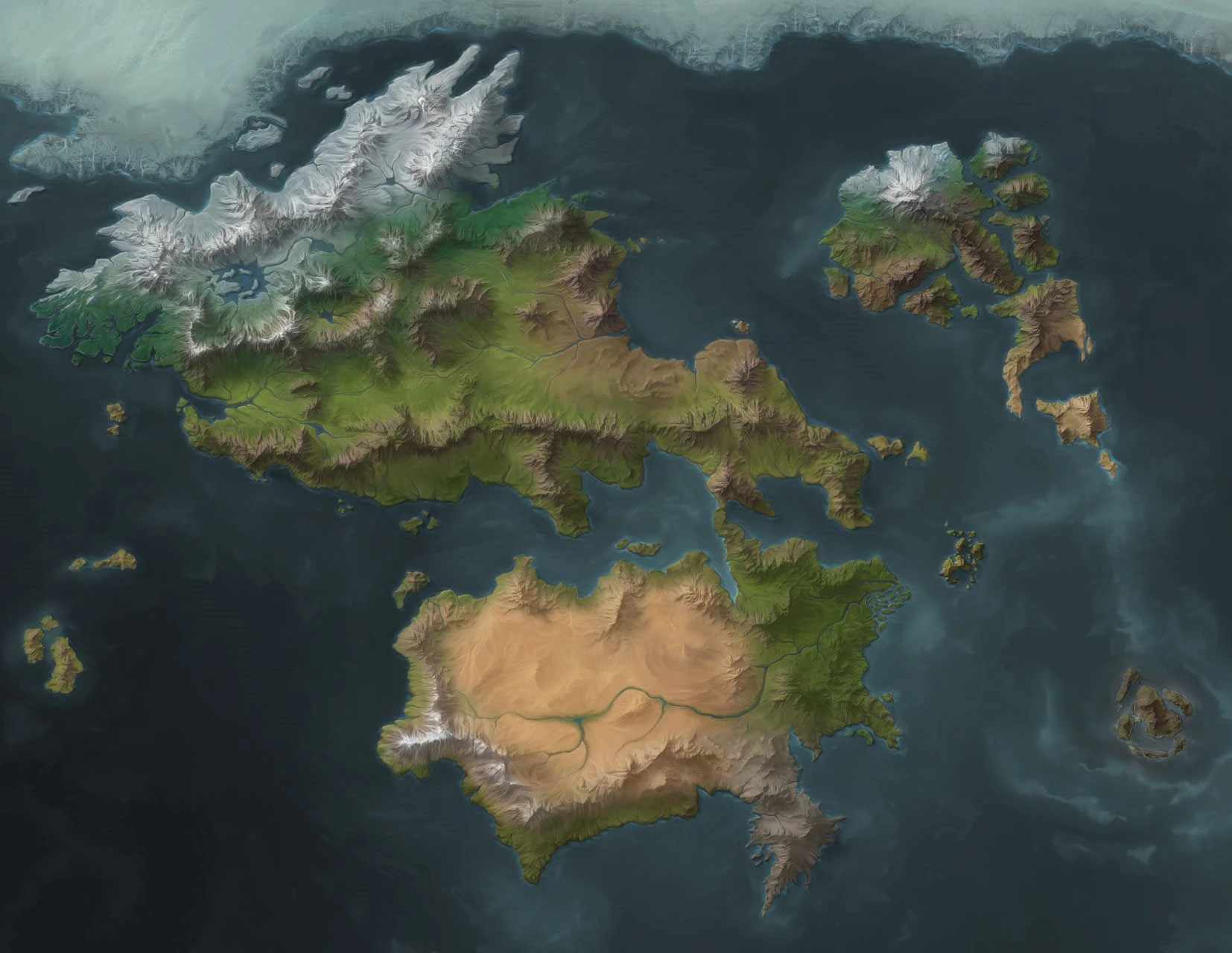
Riot Games has a rare opportunity to learn from the failures of its predecessors. They can build their MMO on a foundation of respect: respect for the player's time, by ensuring effort is the primary path to progression; respect for the player's intelligence, by communicating with transparency; and respect for the player's investment, by creating a world where achievements are earned, not bought, and by defending the integrity of the economy.

Avoiding these cardinal sins is not just a matter of ethics—it is the only viable long-term strategy in the modern MMO market. The players of Runeterra are not waiting for another game; they are waiting for a better world. The path to building that world is paved not with cynical design, but with an unwavering commitment to fairness, integrity, and a new, more respectful covenant with the players who will call it home.


